
A different kind of mental health therapy in Nashville, Tn.
Where music leads the way to regulation, expression, and emotional safety.
A free, supportive call to explore next steps.
You’ve been stressed, overwhelmed and burned out.
You’re noticing a need for support with regulation, rest, and emotional expression.
You (or your child) want more than words — space to feel, create, and process.
You miss being creative — and you’re wondering if music could help you reconnect with yourself.

What you really want is to feel more like yourself again.
Music therapy at Empower feels different — because you feel different here.
How it helps:
-
Music therapy offers a variety of grounding experiences that support nervous system regulation and reduce stress in the moment and over time.
-
Through guided listening, breathing, meditation, and intentional music-making, sessions create space for rest, slowing down, and relief from constant mental noise.
-
Music therapy supports the development of coping tools that feel accessible and repeatable, helping clients navigate daily stressors with more ease.
-
Creative experiences in music therapy support self-trust, self-expression, and a renewed sense of capability, helping clients feel more confident and grounded in who they are.
-
Music therapy provides a creative space to process experiences, supporting reflection, insight, and meaning-making without pressure to explain everything in words.
-
Music therapy offers space to reconnect with creativity as a tool for expression, processing, and self-discovery—without pressure to perform.
-
Music therapy creates opportunities for connection and shared experience, helping reduce feelings of isolation and support a sense of belonging.
You don’t have to do this alone. Let’s talk.

Sessions are offered in our clinic or virtually and are always tailored to you.
What does a session look like?
It depends on your age, interests and goals.
For children, sessions often include play-based processing, fill-in-the-blank songwriting, instrument play, and active music-making.
For adolescents, sessions may focus on verbal processing, songwriting or song discussion, instrument playing, and active music creation.
For adults, sessions are typically grounded in verbal processing, music listening, song discussion, and guided music experiences.
There’s no pressure — we’ll work together to find a flow that feels supportive and right for you.

Our Approach
-
We view neurological differences as a natural part of human diversity, not something to be fixed. Our work prioritizes regulation, autonomy, and quality of life without asking people to mask or change who they are.
-
We recognize that past experiences can shape how someone feels, responds, and engages in therapy. Our approach emphasizes safety, choice, predictability, and pacing that supports trust and nervous system regulation.
-
Each session is shaped around the client’s goals, strengths, and comfort level. We collaborate closely with clients and families and adapt as needs change, rather than following a rigid model.
-
We believe healing happens in relationship. Our work supports not only individuals, but also families, caregivers, and communities, helping people feel connected and supported beyond the therapy room.
Words We Hear Often
-
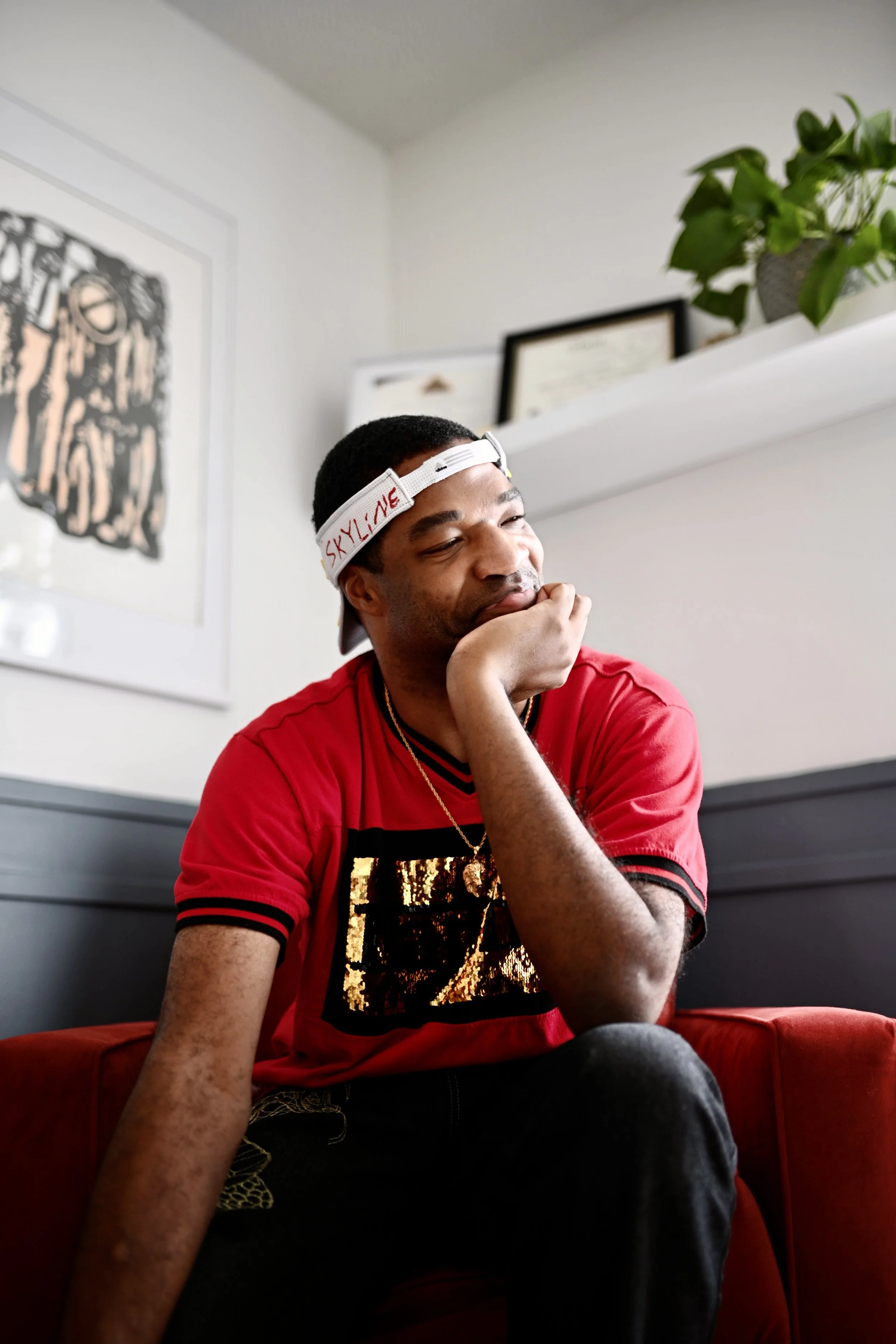
![A young man with dark skin sitting on a red couch, resting his chin on his hand, wearing a red T-shirt with a sequined design and a white visor with red writing, inside a room with framed pictures and a potted plant.]()
“I felt understood for the first time in therapy.”
Empower Client
-
![]()
“I didn’t know therapy could feel this expressive and creative.”
Empower Client
-
![People sitting outdoors on a fall day, playing ukuleles and enjoying each other's company amidst autumn leaves.]()
“We finally found something that fits.”
Empower Family
-
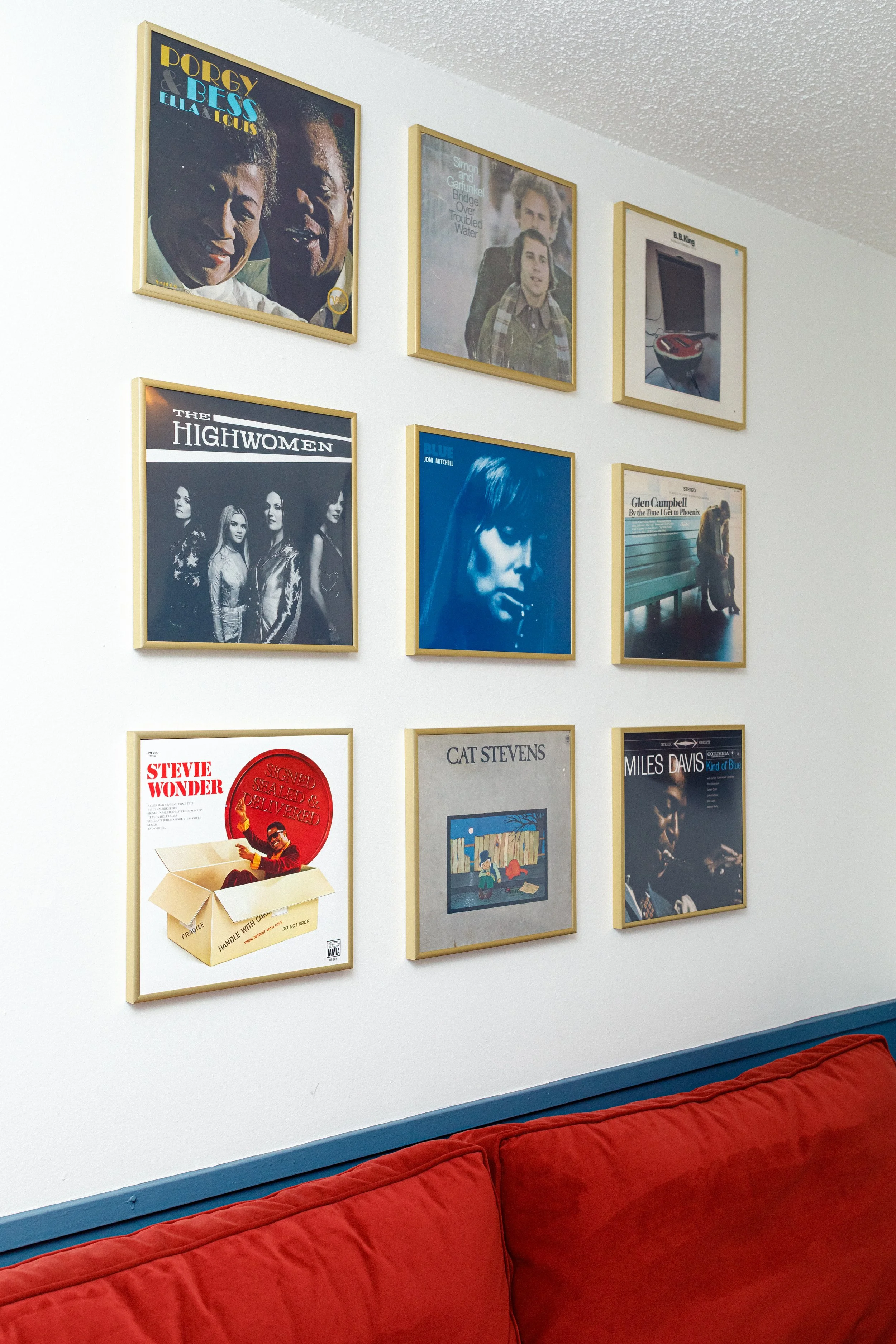
![A wall with nine framed album covers in a 3 by 3 grid, above a red couch. The album covers include 'Porgy & Bess' by Ella Louis, a band with a headshot, Bob King, The Highwomen, Blue John Mottola, Glen Campbell, Stevie Wonder, Cat Stevens, and Miles Davis.]()
“I knew right away this was the right kind of therapy for me.”
Empower Client


Mental Health Therapy FAQ
-
We support individuals experiencing anxiety, depression, burnout, stress, trauma, life transitions, and emotional overwhelm, among other concerns.
-
Not at all. No musical background or skill is needed. Music is simply the tool—we meet you where you are.
-
We do. Our sessions are tailored to developmental stage, interests, and goals — from young children to adolescents and adults.
-
Music therapists are trained, credentialed healthcare professionals, but music therapy is a distinct discipline from counseling. Board-Certified Music Therapists (MT-BCs) are not the same as MSWs or LPCs. Music therapists use music-based experiences alongside therapeutic skills to support regulation, processing, and emotional expression in ways that don’t rely solely on talk.
-
Sessions can take place in our clinic or virtually.
We offer sliding scale options when available and support clients in using out-of-network insurance benefits. While coverage varies by plan, many clients are able to receive reimbursement. Learn more here.
-
We love this! Music therapy can work alongside talk therapy by adding a creative component that complements the work you’re already doing. When helpful, we’re happy to collaborate with your therapist to support your goals.
-
Music therapy may not be the right fit for individuals who are in active crisis or experiencing ongoing thoughts of harm to themselves or others. In these situations, more immediate or intensive mental health support is often needed first. We’re always happy to help you think through next steps or appropriate referrals.
We’re a fit for you if…
Your child has big feelings and responds best to movement, music, and creativity.
Your teen loves music but finds traditional talk therapy tiring or unhelpful.
You’re an adult looking for creative, affirming support for stress reduction, self-understanding, and processing.
Not sure? That’s okay!
A discovery call is a relaxed, no-pressure way to explore whether music therapy feels like the right next step.