

A different kind of autism therapy in Nashville, Tn.
Where music leads the way to regulation, expression, and belonging.
A free, supportive call to explore next steps.
Your days are full- navigating transitions, dysregulation, and packed schedules.
You’ve tried so many therapies, but you’re still searching for the right fit.
You’re noticing your child needs support for their emotional world, creativity, and sense of connection.
Music has always made your child light up and you’re wondering if that could lead to real growth.
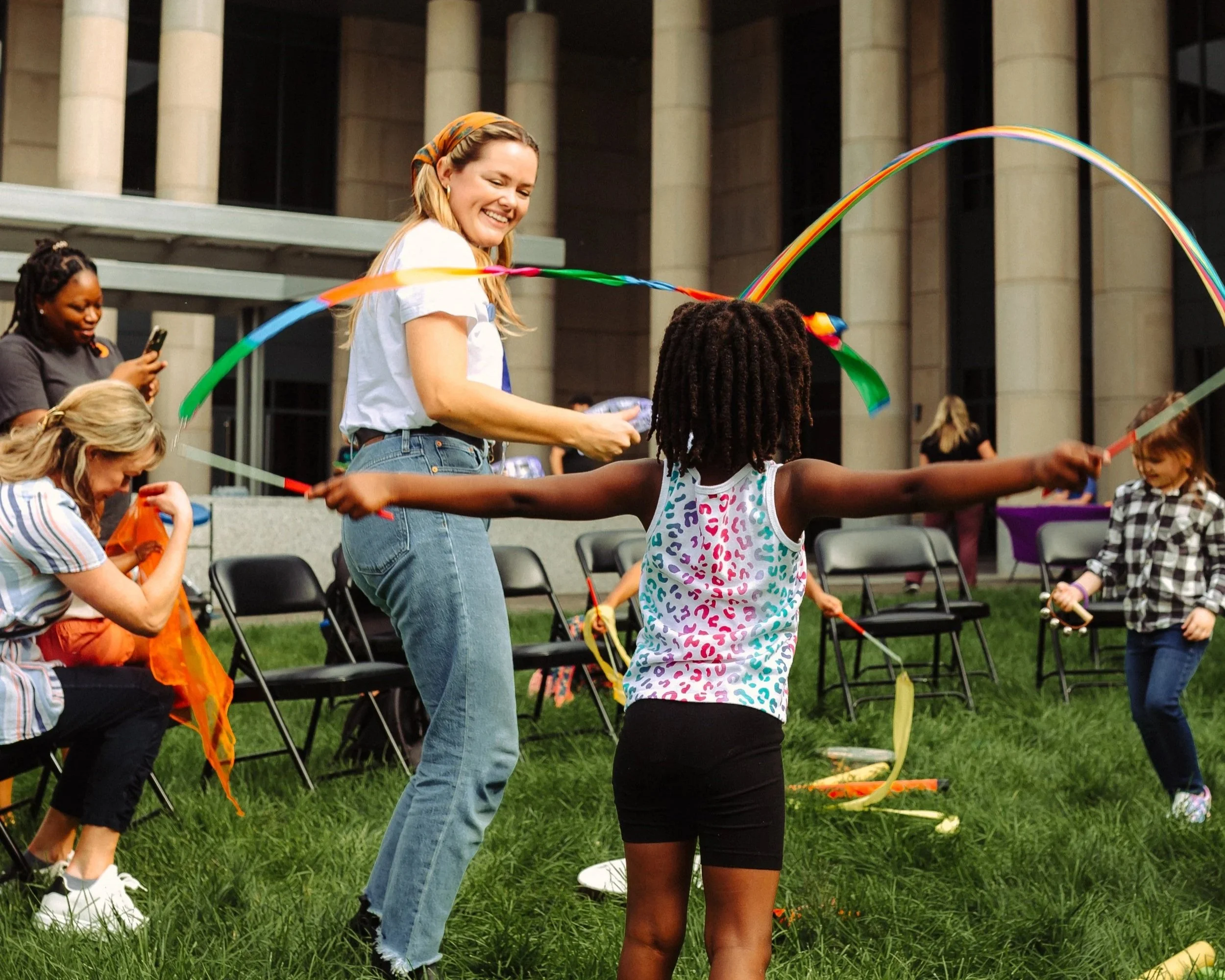
What you really want is a place where your child can be themselves.
Music Therapy & Autism: How It Helps
-
Music supports expressive and receptive language by engaging multiple brain networks at the same time. Singing and intentional music engagement help strengthen neural pathways for communication, making language feel more accessible for emerging or non-speaking individuals.
-
When used intentionally, music can engage the parasympathetic nervous system, helping the body shift into a calmer, more regulated state. Therapists create personalized songs, calming playlists, and coping strategies that adapt across ages, settings, and support needs.
-
Music naturally invites shared attention, turn-taking, imitation, and joint engagement. Through musical games, improvisation, and shared music-making, clients can practice social skills in a way that feels enjoyable.
-
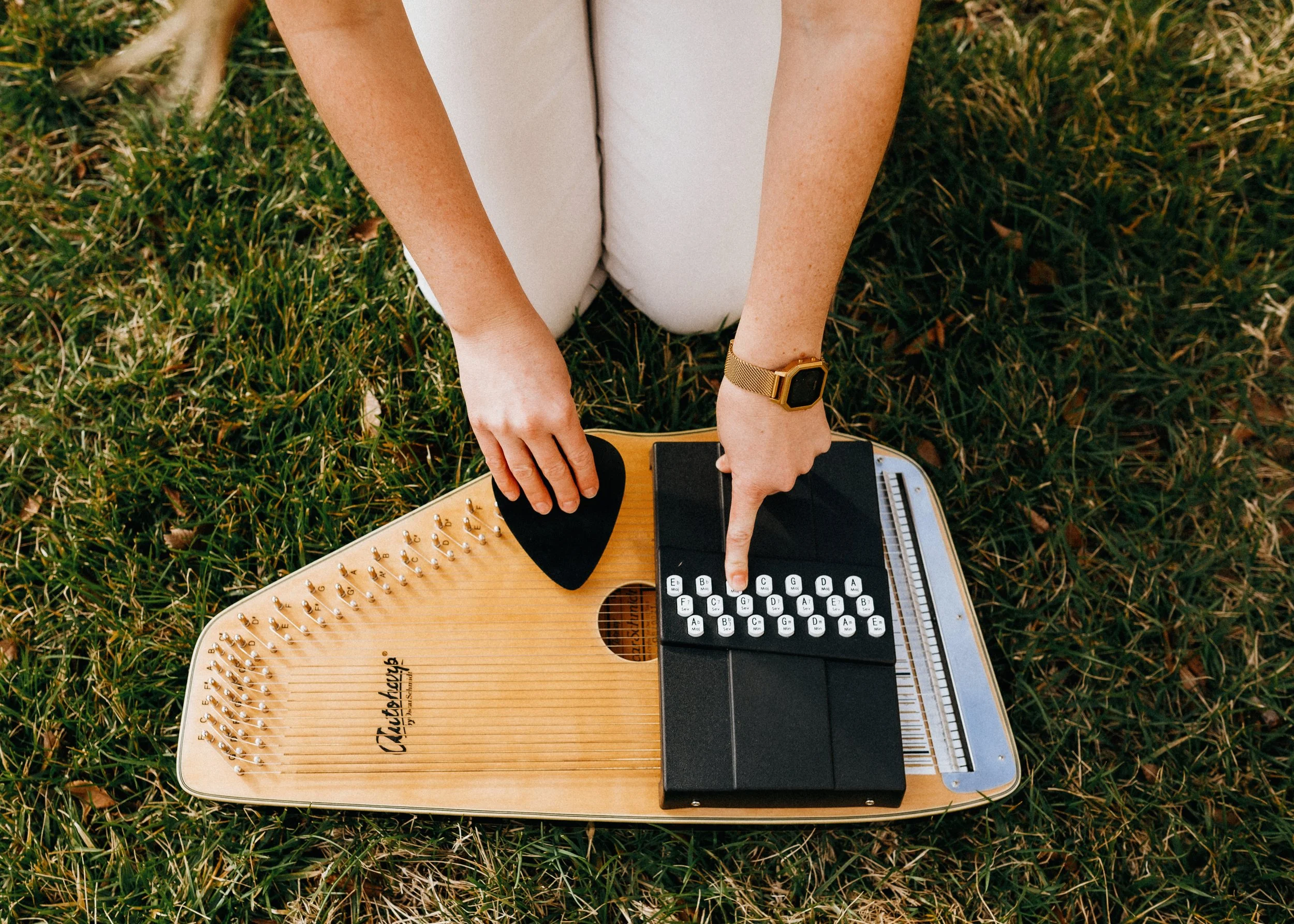
Music can support sensory modulation when introduced thoughtfully and in a client-centered way. Sessions are tailored to each individual’s sensory profile, with intentional adaptations to sound, lighting, pacing, and the use of sensory props.
-
Through songwriting, instrument play, and music choice, music therapy supports autonomy, creativity, and identity development—often leading to increased confidence and a sense of belonging.
-
Many autistic individuals are gestalt language processors, meaning they learn language in meaningful chunks (songs, scripts, phrases) rather than single words.
Board-certified music therapists can intentionally shape musical experiences to support language expansion and functional communication. Learn more here.
-
Music therapy offers a flexible, client-directed approach that can be especially helpful for individuals with a PDA profile—where anxiety and a strong need for autonomy make everyday demands feel overwhelming. Learn more here.
This is support that works with your child — not against who they are.
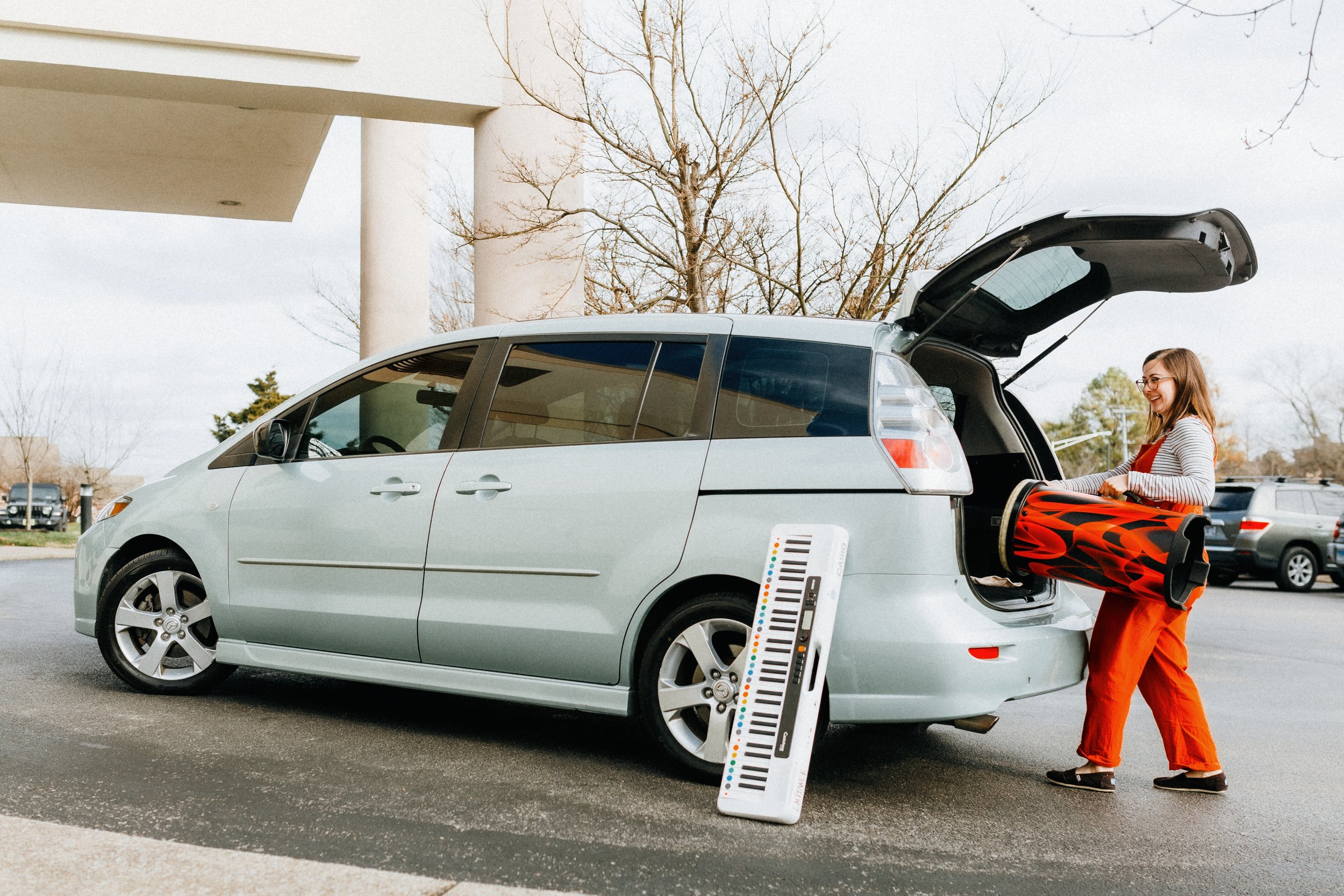
Sessions are offered in our clinic, in your home, or virtually and are always tailored to the client.
What does a session look like?
It depends on age, support needs, interests, and demand avoidance.
For younger children, sessions often include a visual schedule, movement, singing, and playful social connection.
For adolescents and adults, sessions may focus on songwriting, lyric discussion, and music-based coping strategies.
Sessions are adaptable and guided by each client’s sensory profile and special interests.

Our Approach
-
We view neurological differences as a natural part of human diversity, not something to be fixed. Our work prioritizes regulation, autonomy, and quality of life without asking people to mask or change who they are.
-
We recognize that past experiences can shape how someone feels, responds, and engages in therapy. Our approach emphasizes safety, choice, predictability, and pacing that supports trust and nervous system regulation.
-
Each session is shaped around the client’s goals, strengths, and comfort level. We collaborate closely with clients and families and adapt as needs change, rather than following a rigid model.
-
We believe healing happens in relationship. Our work supports not only individuals, but also families, caregivers, and communities, helping people feel connected and supported beyond the therapy room.
Words We Hear Often
-
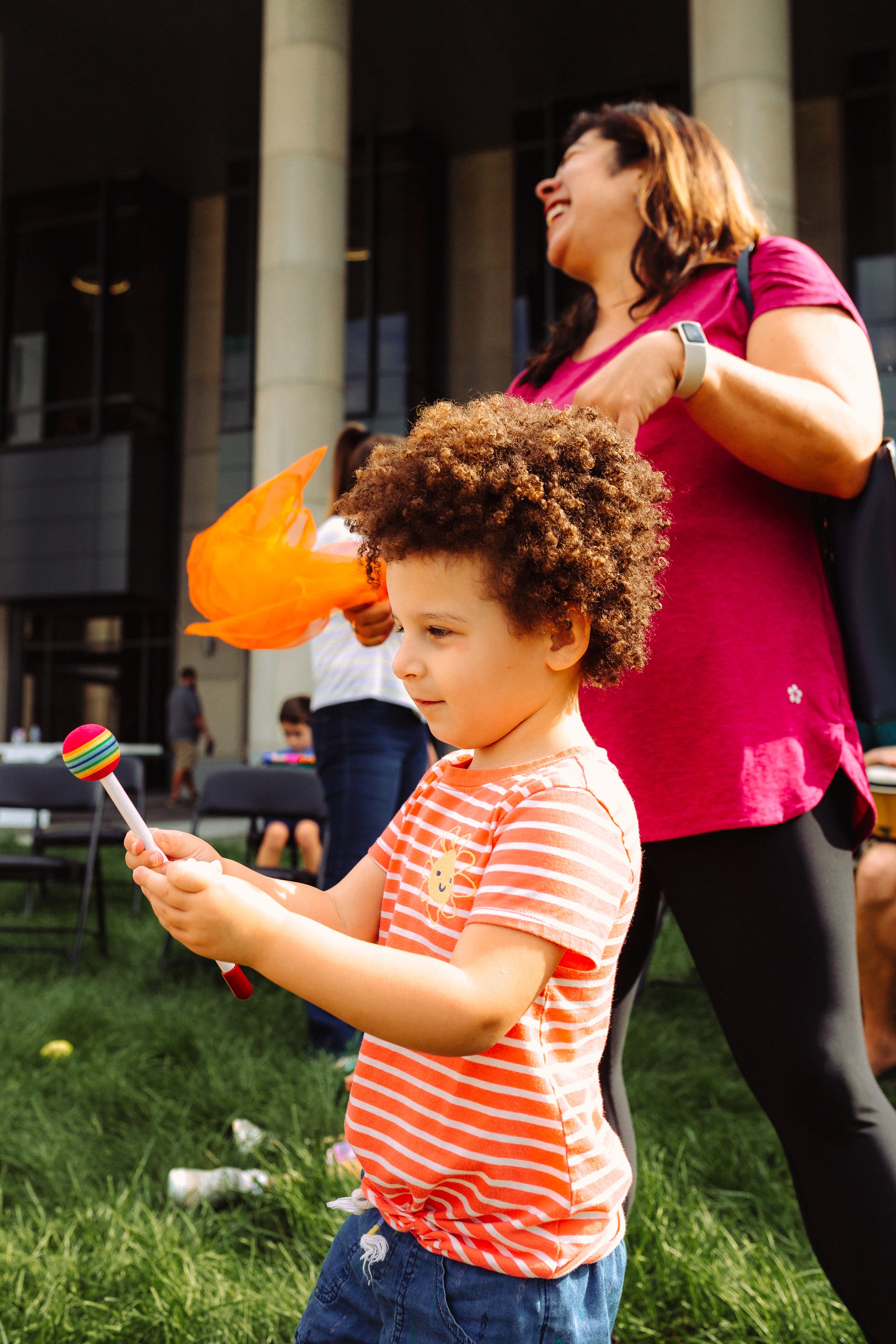
![A young boy with curly hair in a striped orange and white shirt is holding and looking at a colorful toy in his hands at an outdoor event. An adult woman, smiling and wearing a pink shirt, stands behind him. There are chairs and people in the background near a large building with columns.]()
“It’s the only therapy he actually looks forward to.”
Empower Parent
-
![Children and adults playing with a large, colorful parachute outdoors in front of a modern building.]()
“We saw real progress while gaining more joy.”
Empower Parent
-
![]()
“Therapy stopped feeling like a battle.”
Empower Client
-
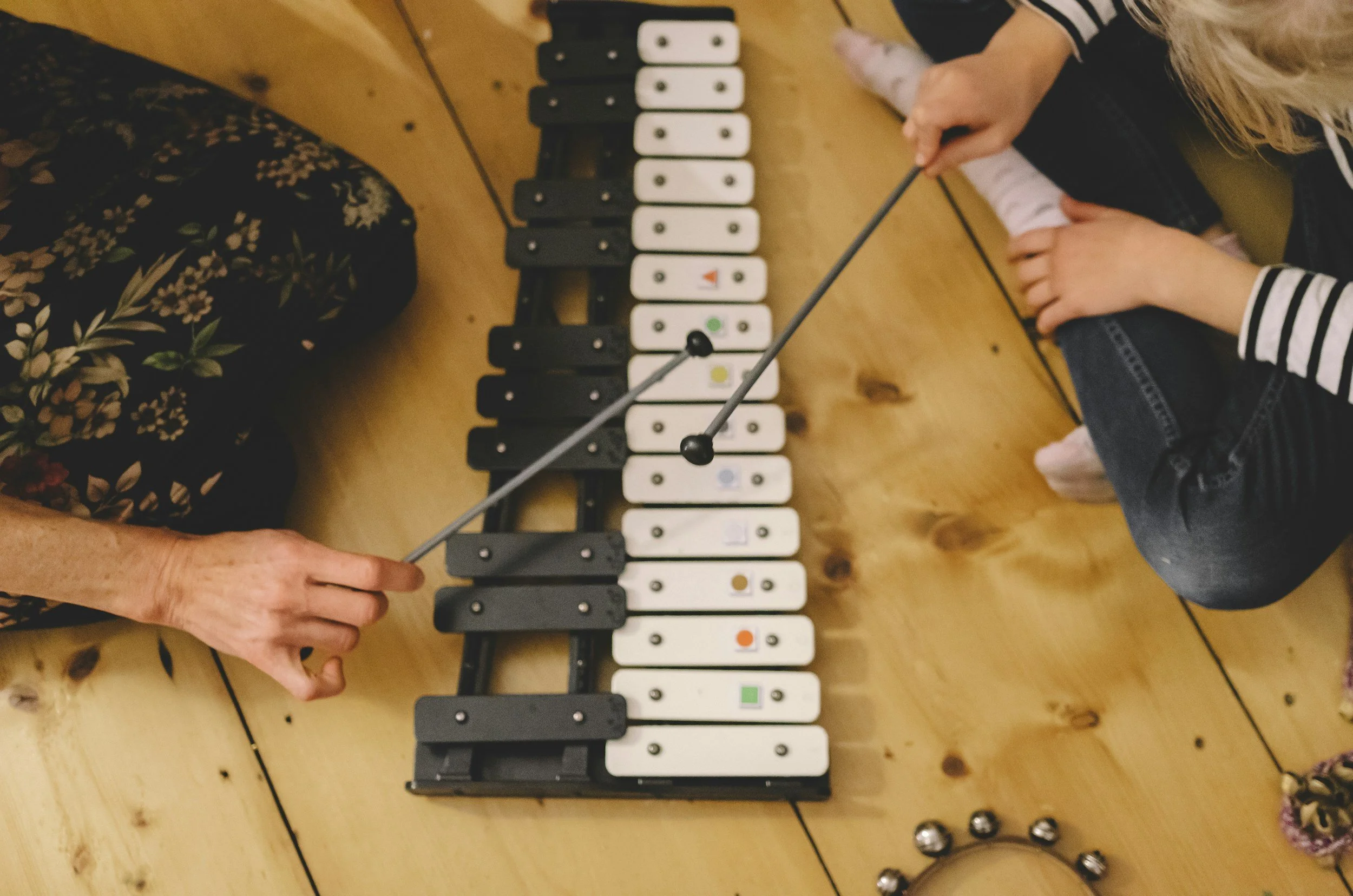
![Two people playing a xylophone, one with an adult hand and the other with a child's hand, on a wooden floor.]()
“My family feels safe here.”
Empower Family
-
![Three women sitting on the ground covered with fall leaves, playing musical instruments and enjoying each other's company outdoors during autumn.]()
“We finally found something that fits.”
Empower Family
-
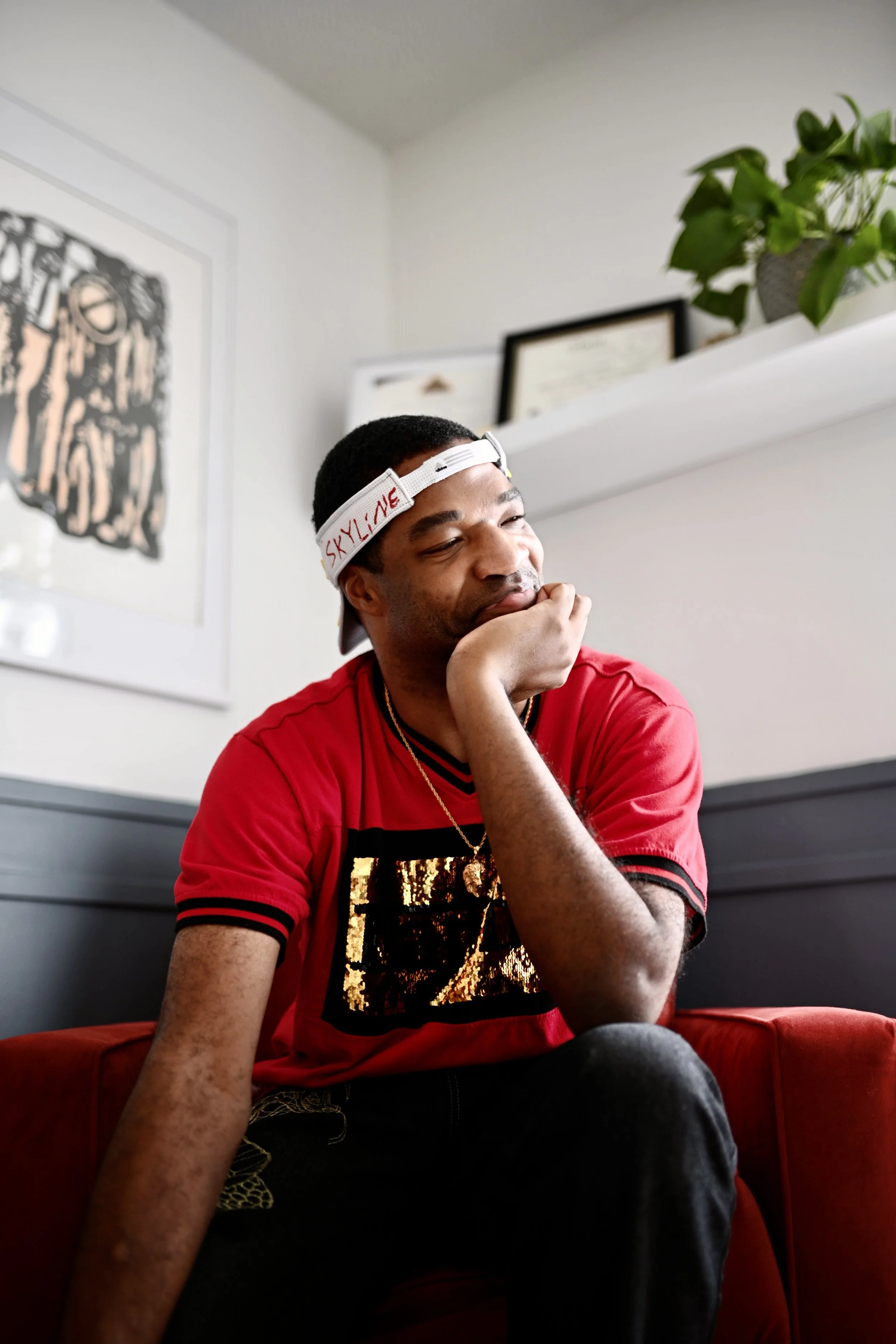
![A young man sitting on a red couch with his hand on his chin, wearing a red shirt and a white visor with 'Skyline' written on it, with a neutral expression.]()
“I felt understood for the first time in therapy.”
Empower Client



Autism Therapy FAQ
-
Yes! We work with individuals of all ages and all support needs, including non-speaking clients and those with higher support needs
-
We offer flexible options to support access, including utilizing multiple waiver and funding sources, sliding scale availability, and out-of-network insurance reimbursement support. Learn more here.
-
Yes. We currently have immediate openings at our clinic. We’d love to meet you!
-
Book a discovery call. This is a no-pressure space to ask questions, share what you’re looking for, and explore next steps together.
-
That’s very common! Music therapy can greatly complement other services and increase their effectiveness by supporting goals in a naturally motivating way. We often collaborate with other providers to support the whole person.
We’re a fit for you if…
Your young child communicates through songs, scripts, or movie phrases but isn’t speaking yet.
Your teen loves music but finds traditional talk therapy difficult or draining.
Your adult child is seeking creative, music-based support for regulation, processing, or identity exploration.

Not sure? That’s okay!
A discovery call is a relaxed, no-pressure way to explore whether music therapy feels like the right next step.